Scripting

Secure automation for compliance-ready operations.

Manual evidence work slows readiness; scripts organize repeatable outputs for CMMC and NIST reporting.

Inconsistent device settings create gaps; scripted checks support hardening, patching, and login auditing.

Access changes are easy to miss; identity scripts help validate RBAC, MFA, and privileged user activity.

Security teams need clear signals; automation can feed compliance dashboards and 24/7 SOC workflows.

Scope creep raises costs; scripting starts after boundary review so effort stays tied to actual assets.

Request a Quote for our Scripting

Trusted Support For Security-Driven Teams

Practical scripting, clear communication, and automation aligned to real compliance work.

Real-World Automation For Compliance-Driven Teams

Trusted By

Certifications

Secure Scripting Built For Compliance Operations

Automation aligned to readiness

Compliance Automation
Reduce manual control work

Compliance automation helps reduce repetitive documentation tasks by creating repeatable scripts for evidence collection, configuration checks, and reporting preparation. CSS ties each script to the assets and controls that are actually in scope, helping avoid unnecessary work.

Outputs can support CMMC, NIST 800-171, HIPAA, IRS Pub 4557, and other readiness efforts by making routine information easier to gather, review, and maintain over time.

Security Hardening
Standardize secure baselines

Security hardening scripts can help validate baseline settings across endpoints, servers, and user environments. Instead of relying on one-time manual checks, scripting supports consistent review of patch status, encryption settings, firewall rules, secure remote access, and endpoint protection posture.

This gives you clearer visibility into control implementation and helps technical teams identify issues before they become documentation gaps or operational risk.

Evidence Collection
Keep audit data organized

Evidence collection scripts help organize the technical proof needed for compliance workflows, including asset details, security settings, access records, patch information, and system status. CSS structures automation around the assessment boundary so outputs are relevant and easier to defend.

For teams preparing SSP updates, POA&M tracking, mock assessments, or internal reviews, cleaner evidence reduces confusion and supports a more disciplined readiness process.

Identity Workflows
Control access changes

Identity workflow scripting helps validate user access, role-based permissions, privileged activity, MFA status, and login activity across relevant systems. These checks support better oversight for regulated organizations that need to show access is controlled and reviewed.

When aligned with identity management and login auditing, scripting can help spot stale accounts, excessive permissions, and process drift that may otherwise remain hidden until an audit or security incident.

Patch Verification
Validate remediation status

Patch verification scripts help confirm whether systems are being updated according to policy and operational expectations. CSS can align scripted checks with device hardening, endpoint security, and managed service workflows so remediation status is easier to track.

This is especially useful for organizations balancing compliance obligations with limited internal IT resources, since the right automation gives technical teams clearer priorities and supports more reliable reporting.

Reporting Scripts
Turn data into decisions

Reporting scripts turn operational data into clearer outputs for compliance dashboards, security reviews, and leadership updates. Instead of digging through disconnected systems, you can use structured scripting to summarize key signals from endpoints, access controls, patch status, and evidence repositories.
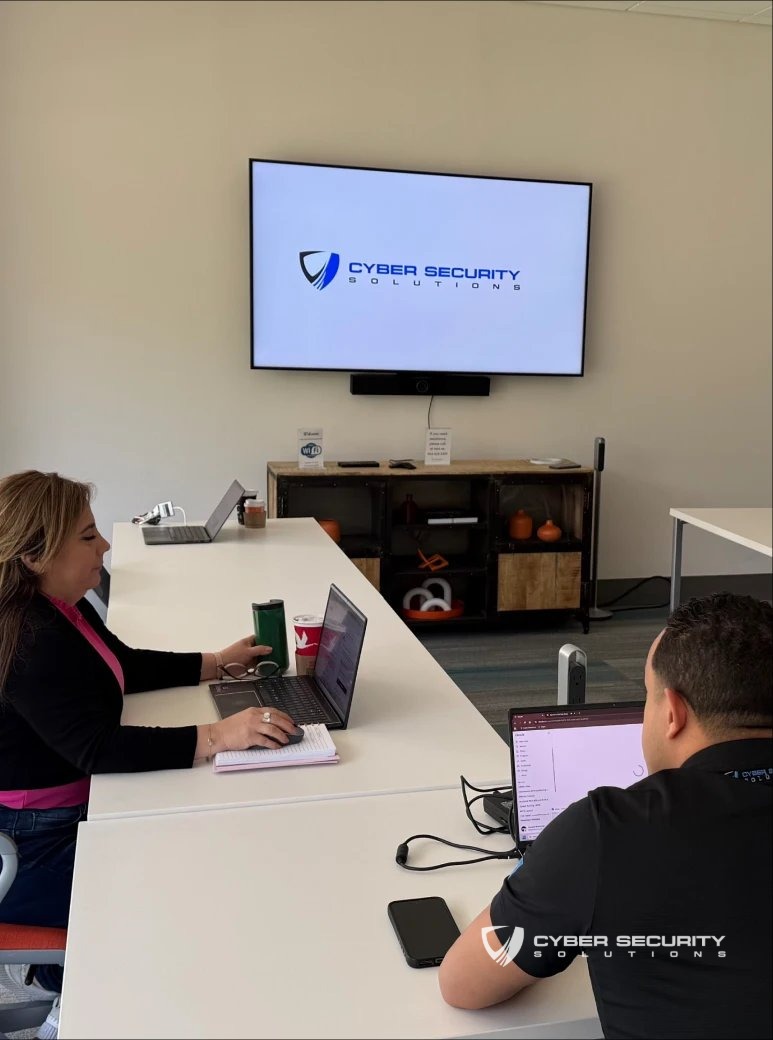
CSS focuses reporting on practical decisions: what is in scope, what needs attention, what has been remediated, and what documentation should be updated before review.

Our Partners

Proof Points Behind Compliance-Focused Automation

120+
Businesses
0.73
Issue Reduction
3 Mo
Service Period
Illustration of Scripting tools streamlining security tasks while ensuring compliance control is maintained.

Automate Security Work Without Losing Compliance Control

Scripts Built Around Your Real Assessment Boundary

Effective scripting begins with a clear boundary. Before automating tasks, CSS focuses on what assets, users, systems, and data flows are in scope so scripts support the right controls instead of adding unnecessary complexity.

  • CUI data flow mapping support
  • Asset and endpoint inventory checks
  • Patch and hardening validation
  • RBAC and login auditing support
  • Compliance evidence collection
  • Dashboard-ready reporting outputs

This approach helps you only pay for automation that supports real operational needs, whether the requirement involves CMMC, NIST 800-171, HIPAA Security Rule safeguards, IRS Pub 4557 expectations, or internal security governance.

Visual representation of Scripting strategies tailored to your specific assessment boundaries, enhancing learning outcomes.

Operational scripting process enhancing team readiness and efficiency in dynamic environments.

Operational Scripting That Supports Readiness

Plan Your Secure Scripting Project

Get practical automation that supports security and readiness.

More Security And Compliance Services

Frequently Asked Questions