Compliance Audit

Scoped audits that turn compliance gaps into action.

Unclear scope inflates costs; a 37-state MSSP defines boundaries before controls.

CMMC gaps slow bids; Cyber-AB RPO guidance maps CUI flows and readiness work.

Thin IT teams miss evidence; CSS supports 120+ companies with documentation workflows.

Recurring issues drain time; managed remediation has driven a 73% reduction after 3 months.

Audit prep can stall; 23 NIST State MEP partnerships inform practical readiness planning.

Request a Quote for our Compliance Audit

What Clients Value About CSS Audit Support

Clear scope, practical findings, and a path toward continuous readiness.

How Scoped Audits Move Contractors Toward Readiness

Trusted By

Certifications

What Your Compliance Audit Covers

Scoped readiness and evidence review

Scope Review
Clarify what is in scope

Your audit starts by defining the compliance boundary before controls are reviewed or remediation is priced. CSS identifies users, systems, data flows, locations, cloud services, mobile devices, and specialized assets that may affect scope.

For CMMC-focused organizations, this includes CUI data flow mapping, asset categorization per DoD scoping guidance, enclave considerations, and boundary validation so you avoid paying to secure assets that do not belong in scope.

Framework Mapping
Map controls to obligations

Compliance requirements are translated into practical control expectations, not generic checklist language. Your environment is reviewed against the frameworks that apply to your business, such as CMMC, NIST, HIPAA 45 CFR 164.308(a)(8), IRS Pub 4557, GLBA, or PCI.

The outcome is a clear view of which requirements are satisfied, which need evidence, and which require technical or policy remediation before an external assessment, client review, or regulatory examination.

Evidence Review
Find proof before review

Audit readiness depends on evidence that can be produced, reviewed, and defended. CSS reviews available policies, procedures, system records, asset inventories, access lists, logging data, patch reports, training records, and incident response documentation.

When evidence is missing or inconsistent, the audit identifies what needs to be created, updated, or continuously collected so your team is not scrambling when an assessor, prime, regulator, insurer, or client asks for proof.

Gap Assessment
Prioritize risk by impact

Technical gaps are reviewed through the lens of operational risk and compliance impact. That can include endpoint protection, MFA, privileged access, email security, network access control, cloud security, data loss prevention, vulnerability exposure, and backup practices.

Findings are prioritized so you can address the issues most likely to affect audit readiness, sensitive data protection, and business continuity without assuming every environment needs the same controls or tools.
Remediation Plan
Turn findings into action

A useful audit should end with an actionable plan, not a spreadsheet of disconnected findings. CSS organizes remediation by priority, ownership, dependency, and expected compliance impact so your team can move forward in the right sequence.

For CMMC programs, this can support SSP updates, POAM development, enclave planning, monitoring requirements, and evidence collection. For regulated firms, it helps align security work with client, insurer, and regulatory expectations.

Readiness Reporting
Report readiness clearly

Readiness reporting gives leadership a clear picture of what is complete, what remains open, and what decisions affect cost or timeline. Reports are written for practical use by owners, executives, IT teams, and compliance stakeholders.

You receive documented findings, prioritized next steps, and scope-based recommendations. If ongoing support is needed, CSS can help with monitoring, logging, patch management, incident response, and continuous security and audit readiness.

Our Partners

Compliance Audit Results Built on Measurable Readiness

90-180d
Compliance Time
120+
Businesses Trust
0.73
Issue Reduction
Visual guide outlining the scope of a Compliance Audit before remediation starts.

Know What Is In Scope Before Remediation Begins

A Structured Audit Built Around Real Evidence

Your audit is structured to turn uncertainty into documented next steps. The process focuses on evidence, control maturity, and cost-aware prioritization.

  • Compliance boundary and system scope review
  • CUI, sensitive data, and asset flow mapping
  • Control alignment for CMMC, NIST, HIPAA, GLBA, or IRS requirements
  • Endpoint, identity, logging, patching, and access review
  • Evidence collection, policy review, and documentation gap analysis
  • Remediation roadmap with practical sequencing and ownership

The result is a clear view of what is ready, what needs work, and what should not be included in the audit scope.

Detailed infographic illustrating the steps of a Compliance Audit based on real evidence and structured processes.
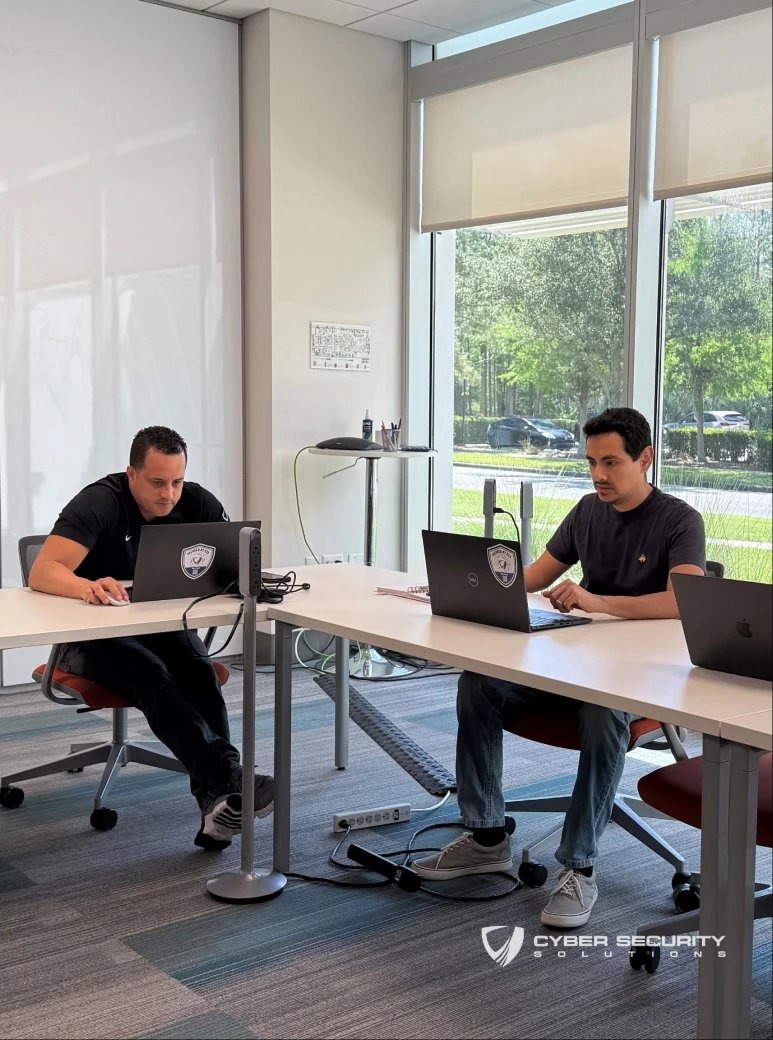
Team reviewing actionable insights from the Compliance Audit findings for effective implementation.

Practical Findings Your Team Can Act On

Schedule Your Compliance Audit Call

Get a clear audit path before you invest in remediation.

Explore Related Compliance Services

Frequently Asked Questions